


Lanota - Music game with story
4.31.07K Reviews
App Specs
- Version
- 3.2.4
- Updated On
- License
- Free
- Downloads
- 1,000,000+
- Developer
- Noxy Games Inc.
- Categories
- Music
- Platform
- Android
Screenshots
 Analysis by AppCompare
I came to Lanota - Music game with story expecting a rhythm game with a narrative attached, but its strongest idea is how closely those two parts work together. A song is not just a score screen to clear: each play asks me to follow changing patterns, then gives me another small step into the world behind the music. That makes a session feel purposeful, even when I need several attempts to get a chart right.
The Musical World of Lanota
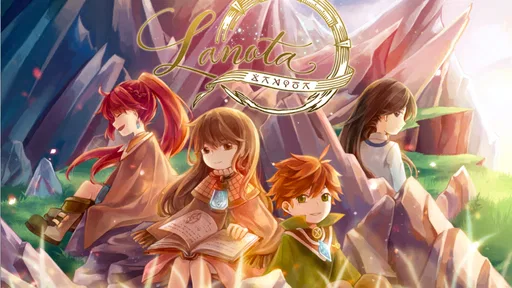
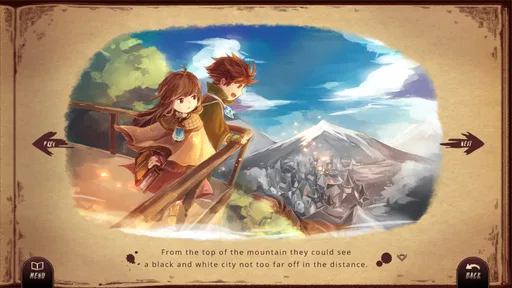
The second you open Lanota, you're greeted with a beautifully crafted world that blends rhythm-based gameplay with a touching story. The visuals are stunning, almost like stepping into an animated painting. The story unfolds like a fairytale, and trust me, it’s easy to get lost in its magic. You’ll find yourself following the journey of two characters, Fisica and Ritmo, as they strive to restore color to a monochrome world. It's as charming as it sounds.
Gameplay Mechanics
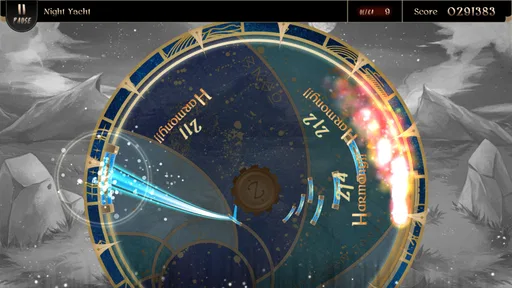
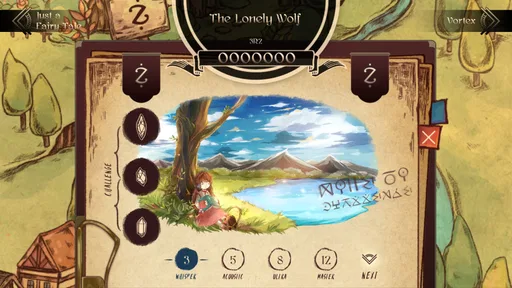
The gameplay is centered around a unique rhythm system that’s unlike any other I've seen. Instead of the traditional linear note highway, you play on a circular interface where notes appear in various patterns. It’s a refreshing twist that keeps you on your toes. I found it both challenging and rewarding. The difficulty scales nicely, so whether you’re a rhythm game newbie or a seasoned pro, there’s something here for you.
As you progress, you unlock new tracks, each with its own level of complexity. Some tracks had me completely engrossed, and others had me hitting the retry button more times than I’d like to admit. But that’s part of the fun, right?
Storytelling through Music
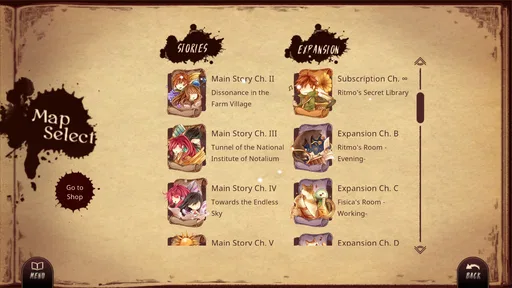
What sets Lanota apart is how it integrates its story with the gameplay. Each chapter you complete reveals more about the world and its characters, making you eager to see what happens next. The narrative is delivered through beautiful artwork and text, pulling you deeper into the game’s universe. It’s a bit like reading a novel while playing an instrument. The balance between the story and the music is spot on, and I didn’t feel overwhelmed by one or the other.
Visuals and Soundtrack
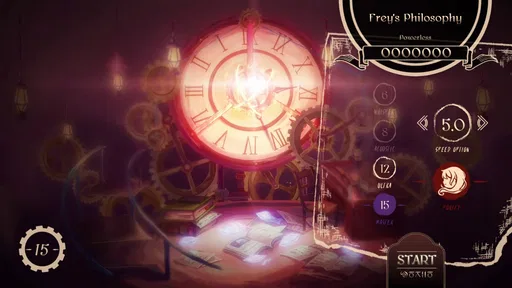
Let’s talk about the visuals. The art style is simply breathtaking. It’s an enchanting mix of hand-drawn illustrations and vibrant colors that breathe life into the game. Every level looks like a piece of art, and the animations are smooth, adding to the overall aesthetic.
The soundtrack is equally impressive, featuring a diverse range of music genres. From classical to electronic, each track is meticulously composed to fit the mood of the story. I often found myself tapping my foot to the beat even after I’d put the game down for the day.
Worth Reading Before You Choose

EA SPORTS FC Mobile 26 Is a Bigger Football Game, but It Takes Time

Flipboard Shows What News Apps Must Do Beyond the Feed

Switching to Android Auto Means Rethinking Your Driving Routine

Google Calendar Makes a Crowded Week Easier to Manage

Ludo King Makes the Most of the Minutes Between Plans

Baby Panda World Brings Quick Play to Modern Phones, but Its Game Library Feels Busy
User Experience
One of the things I appreciate about Lanota is its user-friendly interface. Navigating through menus is a breeze, and the tutorial does a great job of explaining the mechanics without overwhelming you. The app runs smoothly, and I didn’t encounter any bugs or glitches during my playthrough. It’s clear the developers put a lot of love and effort into polishing this gem.
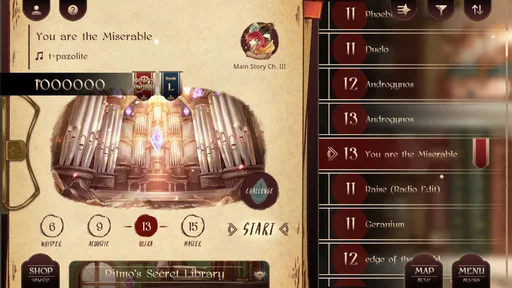
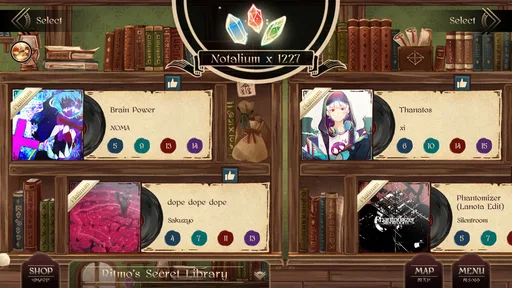
There’s also a sense of progression that keeps you coming back. As you play, you earn experience points that unlock more story content and music tracks. It’s a satisfying loop that rewards dedication without feeling grindy.
How a Session Finds Its Rhythm
What I enjoy most is the compact shape of a typical play session: choose a track, watch the circular field fill with approaching notes, and try to respond accurately as the patterns move around the disc. The immediate feedback makes each mistake understandable. If I miss a note, I can usually tell whether I reacted late, lost track of a direction change, or simply need another pass to learn the sequence. That clarity is important; a retry feels like practice rather than punishment.
The reward is not only a better result. Clearing songs and moving through chapters gives me a reason to play a track again, while the story provides a broader destination beyond improving my timing. When I get stuck, I can take a break and return with a more focused goal: follow one awkward pattern cleanly instead of trying to perfect everything at once. That small change makes repeat attempts less frustrating.
Small-Screen Play and Useful Habits
The circular layout looks distinctive, but it also asks for a different kind of attention from a standard scrolling lane. I found it useful to keep my eyes near the center and let peripheral vision catch notes approaching from different sides, rather than chasing every note with my gaze. On a phone, that can reduce the feeling of constantly losing the chart. If a difficult passage keeps tripping me up, I focus on its direction and rhythm first, then work on accuracy; trying to fix every mistake at once is less useful.
For a practical everyday use, this works well as a short break when I have enough quiet to hear the beat and can give the screen my attention. One song can make a commute wait or a pause between tasks feel more engaging, while a longer stretch suits someone who wants to move through the story. It is less suitable when I need to watch my surroundings or split attention with conversation. Rhythm games depend on concentration, and the rotating patterns make casual glances especially costly.
Headphones can help me distinguish the musical pulse from the visual activity, particularly when I am still learning a song. I would also start with a comfortable difficulty instead of treating every chart as a test of skill. The point is to build familiarity with how Lanota places notes around its circle; once that feels natural, harder patterns become a more satisfying challenge rather than a wall.
Where It Fits Among Rhythm Games
Many music games rely on notes descending through fixed lanes, which makes them easy to read once a player learns where to look. Lanota’s circular playfield is the main reason I would choose it instead: it makes the action feel more spatial and gives the music a visual identity of its own. That difference is also a trade-off. If you want the familiar, lane-based precision of a conventional rhythm title, the circle may take time to get used to. If you like learning a new visual grammar, it is a meaningful change rather than a decorative gimmick.
It also suits a different mood from a score-focused game built mainly around chasing records. Here, the chapter-based story gives a narrative reason to continue, while replaying tracks lets me work on timing. Players who care only about competitive score chasing may prefer a title whose central appeal is ranking or head-to-head play. I would pick Lanota for its combination of music, visual presentation, and story progression, not as a substitute for every kind of rhythm game.
Lanota is a free music game from Noxy Games Inc., and its audience is broad: the age rating is Everyone, so it is an approachable option for younger players as well as adults who enjoy story-led rhythm play. It has an average rating of 4.3 from around 37,000 ratings, with more than one million installs. Those figures suggest that it has found a substantial audience, but they do not tell me whether its unusual controls suit a particular player; that comes down to whether you enjoy learning patterns on a circular field.
Progress, Cost, and Who Should Try It
The basic appeal is easy to understand, but players should know that the game includes in-app purchases ranging from $0.99 to $19.99 per item. I would approach those as optional spending rather than assume every available track or piece of content is included at no cost. If you prefer to keep mobile gaming entirely free, it is worth deciding in advance whether you are comfortable with purchase options appearing as you progress. The game itself is free to start, while the purchase range gives a clear sense of the possible spending involved.
The release date is August 23, 2016, and the current version is 3.1.1. It requires Android 6.0 or later. Those details make it easier to check basic compatibility before installing, especially if you use an older device. Lanota is a good fit for someone who wants music to drive both the challenge and the story, and who is happy to repeat a song while learning its layout. It is a weaker fit for someone who wants a purely casual tap-along experience, dislikes retrying levels, or prefers music games with a conventional lane interface.
One practical question is whether I need rhythm-game experience to enjoy it. I don’t think so: the tutorial introduces the core idea, and the growing difficulty gives newcomers room to learn. Still, being new to rhythm games does not mean every chart will feel simple. The circular arrangement can be unfamiliar even if the beat itself is easy to follow, so patience matters more than prior expertise. Another reasonable question is whether the story can carry the experience on its own. For me, it adds motivation, but the repeated music challenges remain central; anyone who wants a story with very little active play may be better served by a more passive narrative game.
Final Thoughts
In conclusion, Lanota - Music game with story is a delightful blend of rhythm gaming and storytelling. It’s a game that’s easy to pick up, hard to put down, and impossible to forget. Whether you’re in it for the music, the story, or just to challenge your rhythmic prowess, Lanota offers a little something for everyone.
If you’re looking for a new app to dive into, I highly recommend giving Lanota a try. It’s a journey that promises not only to entertain but also to enchant. So, grab your headphones, tap to the beat, and let Lanota take you on a magical ride.
Pros
- Unique blend of rhythm game and storytelling.
- Beautiful hand-drawn art and animations.
- Wide variety of music tracks to enjoy.
- Engaging story with immersive lore.
- Challenging gameplay that keeps you hooked.
Cons
- Some tracks are locked behind in-app purchases.
- Requires a stable internet connection.
- Can be difficult for beginners.
- Limited free content available at start.
- Story may feel slow-paced for some players.
FAQs for Lanota - Music game with story
What is the main objective of Lanota?
Lanota is a unique music game that combines rhythm gameplay with an engaging narrative. The main objective is to restore color and harmony to a world that has been plunged into grayscale. Players achieve this by completing levels where they tap, slide, and spin to the beat of various songs, unlocking new story chapters as they progress.
How does the gameplay of Lanota differ from other rhythm games?
Unlike most rhythm games that follow a linear lane system, Lanota features a dynamic circular field. Players interact with notes that appear in various patterns around this circle, offering a fresh challenge and a visually intriguing experience. The game also integrates story elements, making it a blend of narrative and music-based challenges.
Is there a storyline in Lanota, and how is it integrated into the gameplay?
Yes, Lanota offers a rich storyline that unfolds as players progress through the game. The narrative is presented through beautifully illustrated scenes and text, which are unlocked by completing musical levels. This integration provides players with a sense of purpose and motivation beyond just rhythm challenges, making the experience more immersive.
Can I play Lanota offline, or is an internet connection required?
Lanota can be played offline once it is fully downloaded and installed on your device. However, an internet connection might be necessary for initial downloads, updates, and accessing certain features like leaderboards or additional content. Playing offline allows you to enjoy the core gameplay and story without interruptions.
Are there in-app purchases in Lanota, and are they necessary for progression?
Lanota does offer in-app purchases, which are primarily used to unlock additional songs, story chapters, and cosmetic items. While these purchases can enhance the experience by providing more content, they are not necessary for progression. Players can enjoy a substantial portion of the game without spending extra money, as skill and strategy are the main requirements for advancement.


